G
7.0
Gameplay 30%
Gameplay was not playtested. Default score 7.0. This dimension was not playtested, and the default is what the ranking uses.


Home / Reviews / triple-mahjong-island-progression / Zen Tiles - Mahjong Match
Zen Tiles is relevant to readers who like triples and a gentle progression setting. It is less persuasive for someone seeking consistently demanding logic or a verified money-making activity. The best-supported appeal is the matching routine; the sample leaves difficulty preferences divided and financial expectations unresolved.
Opens the official store and leaves this site. Kids: ask a grown-up before buying anything.
Zen Tiles puts three-tile matching inside a meditation-island progression. Its sample shows that gentle play can be a selling point for one reader and the reason another loses interest. This source-based review combines the US App Store listing with player reports; it is not a hands-on playtest.
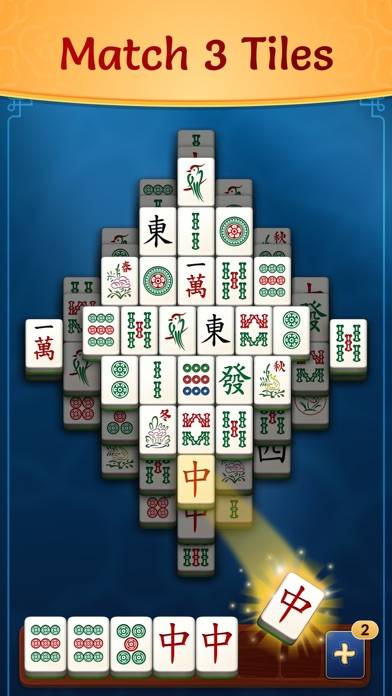
The developer describes clearing three identical Mahjong tiles, using boosters, and adding elements to an island as levels are completed. This is not a full traditional Mahjong ruleset or ordinary pair solitaire.
More than 10,000 boards, haptics, monthly additions, and offline play are advertised. The source does not fully explain the selection capacity, accessible-layer rules, or booster effects.
An island that evolves with progress also does not establish unrestricted landscaping. The documented reward is a visual representation of completed puzzles.
Reviewers in this sample contributed 50 US App Store reviews dated 2026-09-22 through 2026-11-08 (Asia/Shanghai), covering versions 2.9.0, 3.0.0, 3.1.0; the listing records version 3.1.0. Apple's most-recent RSS sample is capped at 50 and self-selected, not representative of all players or a live consensus. These are player reports, not independently verified findings.
Some reviewers enjoy playing at their own pace and describe calming music. Others find the triples too easy or too tame, while another says the boards are challenging.
Those opinions can coexist without concluding that an age group automatically needs an easier puzzle. One reviewer identifying as a senior explicitly wants more difficulty.
Claims about memory, focus, or general wellbeing remain personal impressions and promotional language, not independently demonstrated benefits.
Several reviews refer to earning money, cash-out goals, or changing requirements. The supplied store description does not document a cash program or identify the terms behind those expectations.
It would be misleading to promise earnings, certify a payout scheme, or conclude from these comments alone that the developer operates the described reward arrangement. Accounts mentioning success and failure remain unverified.
Ad reports also conflict: one says they are tolerable, while others describe repeated midgame interruptions. Current removal products and prices are unknown. The explicit offline claim was not tested.
Zen Tiles is relevant to readers who like triples and a gentle progression setting. It is less persuasive for someone seeking consistently demanding logic or a verified money-making activity. The best-supported appeal is the matching routine; the sample leaves difficulty preferences divided and financial expectations unresolved.
View the official US App Store listing · How evidence differs from playtesting
No gameplay, ad, purchase, offline, or stability testing performed.
Gameplay was not playtested. Default score 7.0. This dimension was not playtested, and the default is what the ranking uses.
Ads were not playtested, and this game has no separate store-ad sample. The no-forced-ads tag stays unknown. Default score 7.0. This dimension was not playtested, and the default is what the ranking uses.
Whether a purchase is required to keep playing was not playtested. Default score 7.0. This dimension was not playtested, and the default is what the ranking uses.
Content depth was not playtested. Default score 7.0. This dimension was not playtested, and the default is what the ranking uses.
Stability was not playtested. Default score 7.0. This dimension was not playtested, and the default is what the ranking uses.
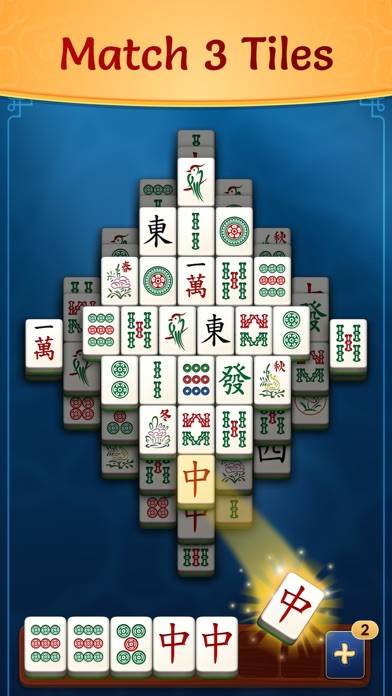
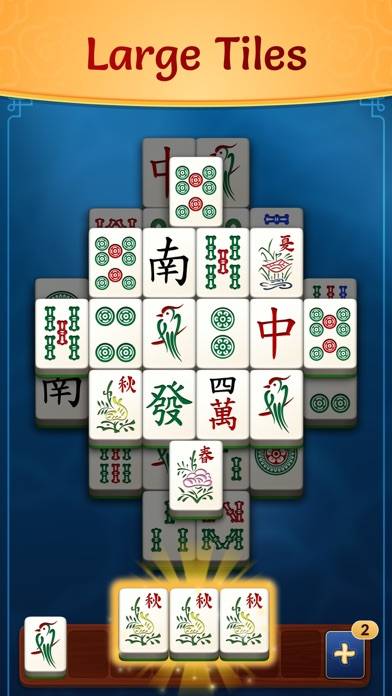
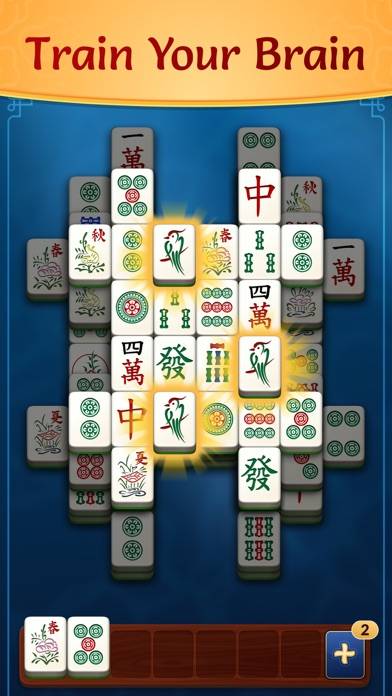
Three identical tiles.
No. The listing describes growth through puzzle progress.
No. The sampled money-related comments do not establish a documented cash program.
No. Several specifically find it too easy.