G
7.0
Gameplay 30%
Gameplay was not playtested. Default score 7.0. This dimension was not playtested, and the default is what the ranking uses.


Home / Reviews / untimed-spot-difference-world-tour / Find the Difference: Spot it!
Spot it! looks relevant to patient picture-search fans who value advertised zoom and an untimed core. It is less conclusive for someone whose decision rests on unconditional hints or verified visual accessibility. The comparison loop is clearly described; its practical access conditions are not.
Opens the official store and leaves this site. Kids: ask a grown-up before buying anything.
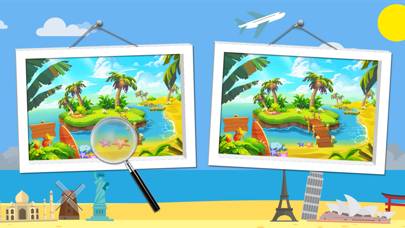
Find the Difference: Spot it! uses a travel frame for a familiar inspection task. Its clearest promise is time to compare two pictures rather than a race to tap before a countdown ends. This source-based analysis uses the US App Store listing, not hands-on play.
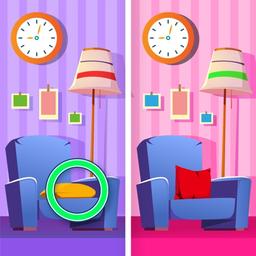
Guru describes side-by-side pictures and tapping differences to mark them. Architecture, landscapes, animals, food, and customs provide the advertised subject range.
A general comparison method is moving between corresponding regions rather than repeatedly scanning the whole picture. That is genre-level advice, not a tested solution to any level here.
The description does not state the required number of differences, inaccurate-tap penalties, or whether both versions respond identically to input. Those are important rules, but not ones that can be imported from another app with a similar title.
Zoom enlarges details for closer inspection. Hints identify something missed. The developer explicitly calls the hints unlimited and says there is no gameplay timer.
Unlimited availability does not fully explain the assistance economy. The source does not state whether invoking a hint requires waiting, a video, or another condition. It would be too confident to translate that phrase into unlimited, unconditional, ad-free assistance.
Likewise, having zoom does not certify that every picture is comfortable for every visual need. No screenshot was inspected, and maximum magnification, contrast, and tap-target size are not independently assessed.
The listing describes progressing through popular destinations and a range of difficulty. It does not establish an exact destination count, free route selection, or educational accuracy about each place.
This framing may appeal to readers who want thematic variety around repeated close observation. Someone seeking detailed geography lessons or an unrestricted travel-map simulator would be expecting more than the documented feature set.
No customer-review bodies are available in the supplied evidence, so this analysis cannot attribute praise or complaints to players. Claims of improved memory, mindfulness, or stress relief also remain promotional, not demonstrated outcomes.
The metadata records a free download. Ad frequency, removal offers, offline support, and stability remain unverified. Anywhere language does not independently prove network-free operation.
Spot it! looks relevant to patient picture-search fans who value advertised zoom and an untimed core. It is less conclusive for someone whose decision rests on unconditional hints or verified visual accessibility. The comparison loop is clearly described; its practical access conditions are not.
View the official US App Store listing · How evidence differs from playtesting
No gameplay, ad, purchase, offline, or stability testing performed.
Gameplay was not playtested. Default score 7.0. This dimension was not playtested, and the default is what the ranking uses.
Ads were not playtested, and this game has no separate store-ad sample. The no-forced-ads tag stays unknown. Default score 7.0. This dimension was not playtested, and the default is what the ranking uses.
Whether a purchase is required to keep playing was not playtested. Default score 7.0. This dimension was not playtested, and the default is what the ranking uses.
Content depth was not playtested. Default score 7.0. This dimension was not playtested, and the default is what the ranking uses.
Stability was not playtested. Default score 7.0. This dimension was not playtested, and the default is what the ranking uses.
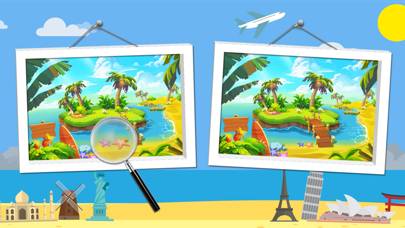
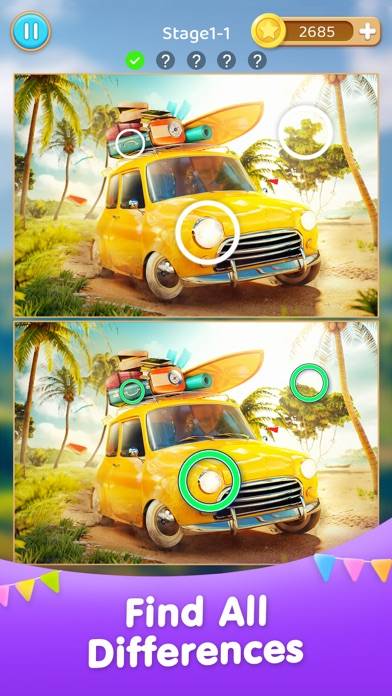
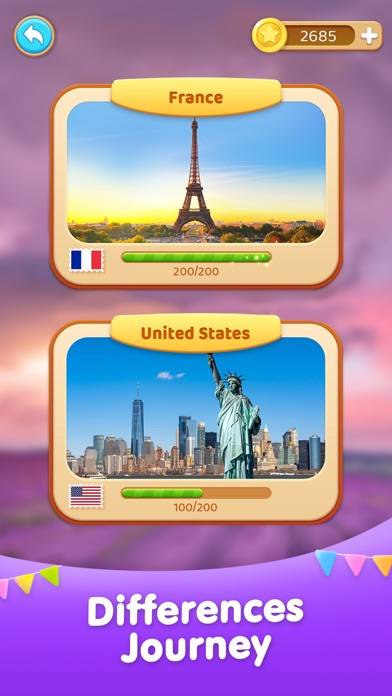
Differences between two similar pictures.
Yes, explicitly.
Their exact access terms are not documented here.
No. The description's anywhere wording does not establish it.