G
7.0
Gameplay 30%
Gameplay was not playtested. Default score 7.0. This dimension was not playtested, and the default is what the ranking uses.


Home / Reviews / lateral-riddle / Braindom: Brain Games Test Out
Braindom has some support for playful riddles, but its sample is especially critical of the transitions around them. Weekly access terms and ad-closing behavior deserve more attention than the unvalidated IQ-test pitch.
Opens the official store and leaves this site. Kids: ask a grown-up before buying anything.
Player-review analysis, not a playtest. Sources: the US App Store listing and 50 US reviews dated 2026-10-04–2026-11-04 (Asia/Shanghai), covering versions 2.6.5 and 2.6.6. This limited, self-selected sample is not representative; player reports are not independently verified.
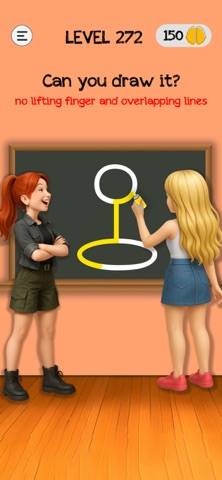
Braindom: Brain Games Test Out presents changing scene questions rather than a single stable logic system. Identify a liar, interpret a word trick, or inspect details for the answer the current riddle expects.
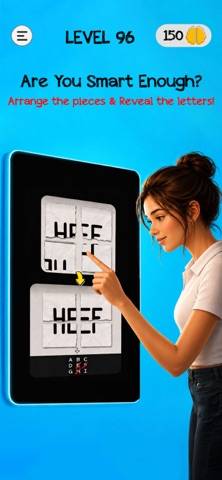
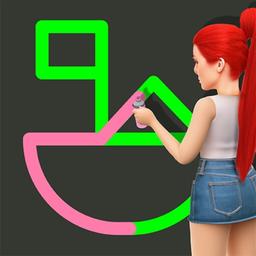
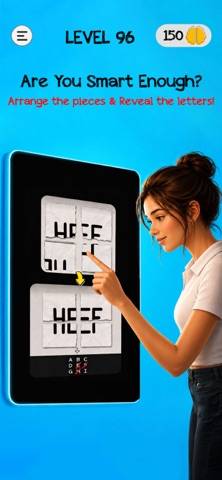
The description names word games, color tricks, trivia, and identity mysteries. Hints are offered, but exact gestures and reveal costs are not documented. The official image promotes a word-order challenge with a character beside a phone.
A supportive reviewer finds the logic puzzles fun, and another enthusiastic account enjoys the game generally. Their claims about sharpening memory are personal impressions rather than measured results.
The sample provides more criticism than detailed praise. One player finds the riddles relaxing but too easy; another calls them repetitive and unchallenging. Those accounts suggest that surprise and light interaction may matter more than sustained formal deduction.
Detailed reviewers describe an ad after solving, another after claiming a reward, and further interruptions while returning to the progression path. That is more specific than simply saying a free app contains commercials.
Several compare very brief puzzles with much longer viewing periods. Their timings are not independently measured and cannot establish a universal schedule, but the reported imbalance is important when the core activity is a single answer.
An October account says a locked ad forces a restart without recording completion. That is a progression complaint separate from finding an interruption annoying. The defect was not reproduced.
The listing describes a weekly auto-renewing premium package with ad removal and extra features. One reviewer reports different weekly amounts between an earlier screen and checkout; others say ads remained after paying.
Those accounts do not establish a current universal price or the exact coverage of every purchase. A free US download is not proof that the premium screen is a one-time payment or that every user sees the same offer.
Offline access and current stability remain unverified. Consider Braindom if varied, lightly demanding riddles are the attraction. Readers seeking difficult consistent logic or a dependable interruption-free sequence have concrete reasons for caution.
Braindom has some support for playful riddles, but its sample is especially critical of the transitions around them. Weekly access terms and ad-closing behavior deserve more attention than the unvalidated IQ-test pitch.
No standardized intelligence assessment is established; the listing uses that language to promote riddles.
The description says the premium package renews weekly unless canceled.
One reviewer reports losing completion after a locked ad; it was not independently reproduced.
No hands-on gameplay, advertising, purchase, offline, or stability testing.
Gameplay was not playtested. Default score 7.0. This dimension was not playtested, and the default is what the ranking uses.
Ads were not playtested, and this game has no separate store-ad sample. The no-forced-ads tag stays unknown. Default score 7.0. This dimension was not playtested, and the default is what the ranking uses.
Whether a purchase is required to keep playing was not playtested. Default score 7.0. This dimension was not playtested, and the default is what the ranking uses.
Content depth was not playtested. Default score 7.0. This dimension was not playtested, and the default is what the ranking uses.
Stability was not playtested. Default score 7.0. This dimension was not playtested, and the default is what the ranking uses.
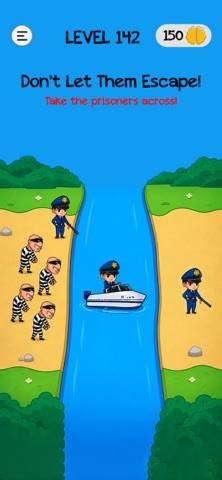
No standardized intelligence assessment is established; the listing uses that language to promote riddles.
The description says the premium package renews weekly unless canceled.
One reviewer reports losing completion after a locked ad; it was not independently reproduced.