G
7.0
Gameplay 30%
Gameplay was not playtested. Default score 7.0. This dimension was not playtested, and the default is what the ranking uses.


Home / Reviews / visual-deduction-riddles / Brain Who? Tricky Riddle Tests
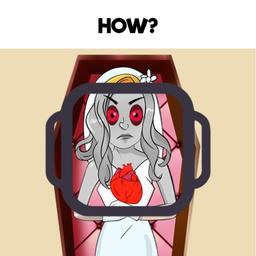
Brain Who? may interest players who enjoy quick visual deduction and unusual interpretations. It is a more cautious choice for someone who wants sustained concentration or predictable answer recognition. The sample contains some enjoyment of the riddles, but its much stronger theme is frustration with the time spent reaching the next one.
Opens the official store and leaves this site. Kids: ask a grown-up before buying anything.
Brain Who? asks players to notice a clue that makes a small mystery click. Its sample suggests that the interruption between mysteries can matter as much as the quality of an individual answer. This source-based review combines the US App Store listing with player reports; it is not a hands-on playtest.
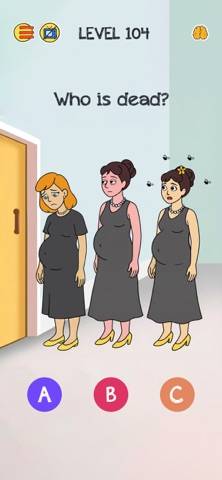
The listing emphasizes questions about identities, liars, and culprits, with clues hidden in pictures, words, and prompts. Some decisions are described as a choice between two options.
The basic attraction is reinterpretation: an apparently ordinary detail may change which explanation makes sense. It is not a documented standardized IQ test, regardless of how often the promotional language invokes intelligence.
The supplied description does not establish every gesture or the exact answer tolerance. Those details matter when knowing what should happen and successfully making it happen are different problems.
Reviewers in this sample contributed 50 US App Store reviews dated 2026-05-19 through 2026-11-06 (Asia/Shanghai), covering versions 2.4.5, 2.4.6, 2.4.7, 2.4.8, 2.5.0, 2.5.1, 2.5.2, 2.5.3; the listing records version 2.5.4. Apple's most-recent RSS sample is capped at 50 and self-selected, not representative of all players or a live consensus. These are player reports, not independently verified findings.
Several reviewers describe the puzzles as fun or say the game could be enjoyable with fewer interruptions. One calls the early rounds cool before losing interest in the ad load. That supports a limited attraction to the riddle concept, not broad approval of the whole app.
A more specific critique says the game fails to recognize an attempted solution, then uses a hint to recommend the same action. This is a player report, not a verified input defect, but it identifies a meaningful risk for visual riddles: rejection can feel arbitrary if the intended action was already understood.
Other accounts find the rounds too easy or uninteresting. The sample does not support a calibrated claim about improving IQ or reasoning ability.
The listing describes an auto-renewing weekly premium package with ad-free access and extra features, but does not give a current price in the supplied text. Reviewer-mentioned prices are historical reports, not a verified universal offer.
Some paid players say advertisements remain. One distinguishes bonus-prize videos from moving to the next level. That distinction matters because an optional reward ad may fall outside a removal entitlement, though the actual terms were not independently inspected.
Numerous comments describe ads after rounds or hints. Their exact estimated durations should not become a measured schedule.
Brain Who? may interest players who enjoy quick visual deduction and unusual interpretations. It is a more cautious choice for someone who wants sustained concentration or predictable answer recognition. The sample contains some enjoyment of the riddles, but its much stronger theme is frustration with the time spent reaching the next one.
View the official US App Store listing · How evidence differs from playtesting
No gameplay, ad, purchase, offline, or stability testing performed.
Gameplay was not playtested. Default score 7.0. This dimension was not playtested, and the default is what the ranking uses.
Ads were not playtested, and this game has no separate store-ad sample. The no-forced-ads tag stays unknown. Default score 7.0. This dimension was not playtested, and the default is what the ranking uses.
Whether a purchase is required to keep playing was not playtested. Default score 7.0. This dimension was not playtested, and the default is what the ranking uses.
Content depth was not playtested. Default score 7.0. This dimension was not playtested, and the default is what the ranking uses.
Stability was not playtested. Default score 7.0. This dimension was not playtested, and the default is what the ranking uses.
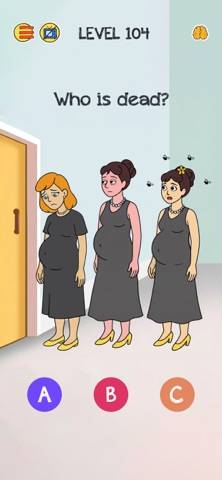
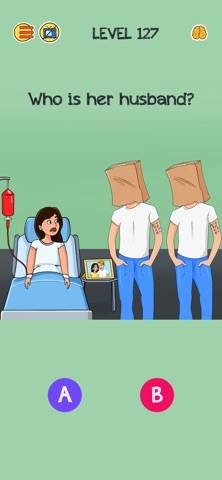
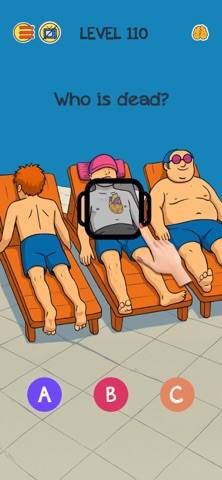
The listing combines clues in pictures, words, and questions.
No. No standardized assessment evidence is provided.
An auto-renewing weekly subscription, without a verified current price here.
That is not established; a reviewer specifically distinguishes them from ordinary progression.