G
7.0
Gameplay 30%
Gameplay was not playtested. Default score 7.0. This dimension was not playtested, and the default is what the ranking uses.


Home / Reviews / device-lateral-puzzle / Blackbox
Blackbox has a distinctive, well-supported reason to exist: it turns familiar device behavior into unfamiliar clues. Its strongest fit is a patient experimenter comfortable with uncertainty and a separately priced assistance layer.
Opens the official store and leaves this site. Kids: ask a grown-up before buying anything.
Player-review analysis, not a playtest. Sources: the US App Store listing and 50 US reviews dated 2026-10-26–2026-11-09 (Asia/Shanghai), covering versions 3.2 and 3.3. This limited, self-selected sample is not representative; player reports are not independently verified.
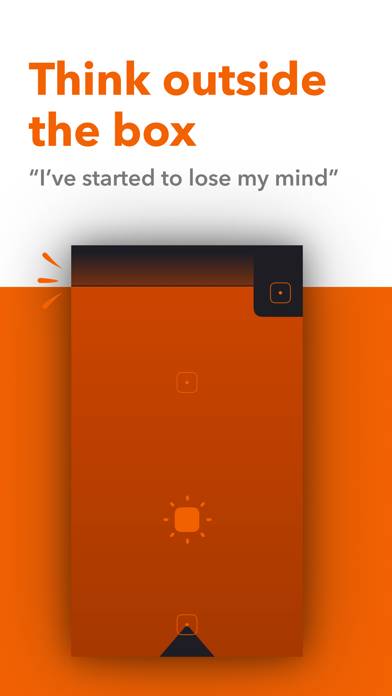
Blackbox makes the device itself part of the question. Its explicit instruction to stop tapping and swiping distinguishes it from a collection of ordinary on-screen riddles.
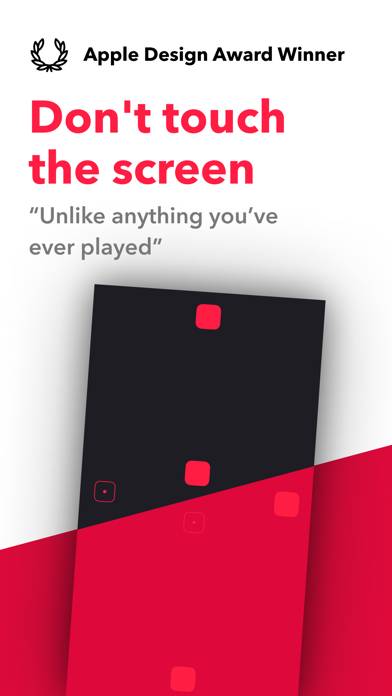
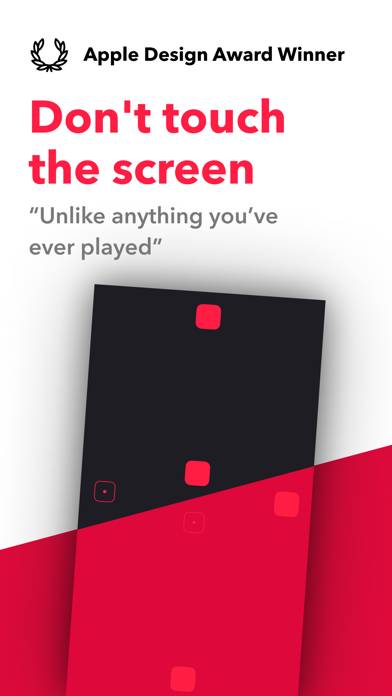
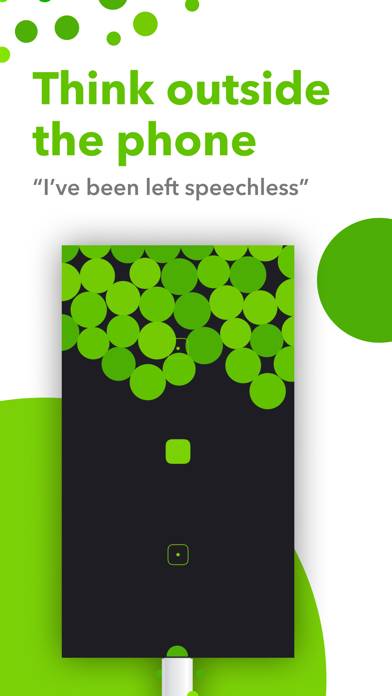
The developer describes minimal visual clues, sound-based guidance, haptics, and solutions outside direct screen interaction. The official image reinforces that idea with a do-not-touch caption and sparse illuminated squares.
A reviewer likes experimenting with phone features to solve a level. Another enjoys controlling parts of the game without their hands. These accounts support the unusual interaction concept without documenting a complete sensor inventory or revealing puzzle solutions.
The listing mentions stillness, friends, and exploring the surroundings. It does not establish that every reader must travel, climb anything, or buy equipment. Promotional language should not become a mandatory activity checklist.
One player praises lateral thinking and the small animations following success. Another has remained interested for two years. Those are more concrete attractions than the many short positive endorsements in the sample.
A contrasting reviewer completes a level without understanding why and wants an index explaining solutions. That is a useful distinction: causing the correct state and understanding the underlying clue are not always the same experience.
Other players find challenges confusing and wish for more hints. This is the intended format’s risk as well as its appeal. A reader who wants explicit instructions before trying a move may find the openness less satisfying than someone who enjoys experimentation.
The developer says sonic interfaces provide guidance with or without vision. That is a meaningful stated goal, not an independent accessibility assessment of every challenge or device setting.
One reviewer mentions sideways-play glitches. The report was not reproduced, and a comment naming a particular phone does not establish a verified compatibility list.
The US download is free. Reviewers specifically object to paying for more hints and puzzles, while another calls the new challenge worth paying for. Current prices and purchase coverage remain unresolved.
Ad behavior and offline support are not established by the supplied material. Consider Blackbox for its documented device-centered experimentation, not an assumption of ad-free access or guaranteed enlightenment after every solved square.
Blackbox has a distinctive, well-supported reason to exist: it turns familiar device behavior into unfamiliar clues. Its strongest fit is a patient experimenter comfortable with uncertainty and a separately priced assistance layer.
No. The developer explicitly emphasizes solutions beyond ordinary tapping and swiping.
One reviewer says they completed a level without understanding how and asks for explanations.
Reviewers describe paying for additional hints and puzzles. Current offers were not independently checked.
No hands-on gameplay, advertising, purchase, offline, or stability testing.
Gameplay was not playtested. Default score 7.0. This dimension was not playtested, and the default is what the ranking uses.
Ads were not playtested, and this game has no separate store-ad sample. The no-forced-ads tag stays unknown. Default score 7.0. This dimension was not playtested, and the default is what the ranking uses.
Whether a purchase is required to keep playing was not playtested. Default score 7.0. This dimension was not playtested, and the default is what the ranking uses.
Content depth was not playtested. Default score 7.0. This dimension was not playtested, and the default is what the ranking uses.
Stability was not playtested. Default score 7.0. This dimension was not playtested, and the default is what the ranking uses.
No. The developer explicitly emphasizes solutions beyond ordinary tapping and swiping.
One reviewer says they completed a level without understanding how and asks for explanations.
Reviewers describe paying for additional hints and puzzles. Current offers were not independently checked.